
Posts by admin
The Importance of Personal Hygiene Care for Seniors: Ensuring Safety and Well-Being

Personal hygiene, which includes bathing and grooming for the elderly, is one such area where seniors often require additional support. For many elderly individuals, maintaining proper hygiene is not just a matter of comfort, but a critical component of their overall health and safety. One of the most significant risks faced by seniors in the home is the potential for falls, particularly in the bathroom, where slippery surfaces and limited mobility can create dangerous situations.
Read MoreUnderstanding Alzheimer’s and Other Types of Dementia: Brain Regions Affected and the Importance of Compassionate Care

As a disease that affects millions of people worldwide, it is crucial to understand the specific areas of the brain that are impacted by dementia and why it’s so important to approach care with empathy and patience. At Family First Home Companions of Long Island, NY, our professionally trained caregivers are committed to providing compassionate care for those living with dementia, offering support not just to the individual but also to their families.
Read MoreUnderstanding Dementia and the Importance of Quality Care
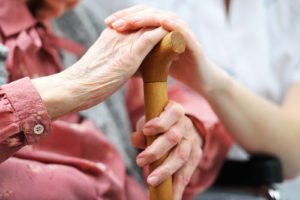
At Family First Home Companions, in Long Island, NY, we understand the unique challenges that come with caring for a loved one with dementia. Our dedicated caregivers are trained to provide specialized dementia care services that focus on enhancing the quality of life for both clients and their families living in Long Island, NY.
Read MoreNavigating the Journey: Finding, Hiring, and Vetting Professional Caregivers for Aging Parents

This comprehensive guide will help you find, hire, and vet professional caregivers for your aging parents and explain how a home care agency can provide invaluable support
Read MoreNavigating Conversations About Senior Care Options

Talking to your elderly parent about senior care options is a crucial step in ensuring their safety, comfort, and well-being. By approaching the conversation with empathy, understanding, and informed insights, you can help them navigate this transition with confidence.
Read MoreThe Health Benefits of Walking for Older Adults and How Family First Home Companions Can Help
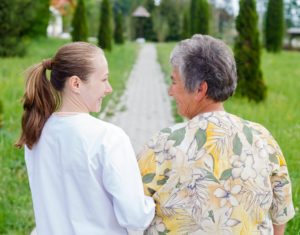
Incorporating regular walking into a daily routine can lead to a host of health benefits, enhancing physical fitness, mental well-being, and overall quality of life. At Family First Home Companions, we understand the importance of maintaining an active lifestyle, and our senior companion services are designed to help older adults enjoy the benefits of walking while providing essential support and companionship.
Read MoreUnderstanding Urinary Tract Infections in Older Adults with Dementia

Urinary tract infections (UTIs) are a common and often serious health issue among older adults, particularly those with dementia. These infections can significantly impact the quality of life and overall health of seniors, making it crucial to understand their causes, symptoms, and treatment options.
Read MoreAnnouncing CareMatch Plus: A Personalized Caregiver Matching Program

At Family First Home Companions, we understand that finding the right caregiver for your loved one is a deeply personal and significant decision. It’s not just about meeting basic needs; it’s about creating a relationship built on trust, comfort, and compatibility. That’s why we are excited to introduce CareMatch Plus, our new caregiver matching program designed to ensure that every senior receives the best possible care tailored to their unique needs and preferences.
Read MoreStaying Safe in the Summer Heat: Essential Tips for Older Adults

Summer brings long days filled with sunshine and warmth, but for older adults, the heat can pose serious health risks. At Family First Home Companions, we understand the importance of keeping our loved ones safe and comfortable during the hottest months of the year.
Read MoreMeal Preparation for Older Adults: How Our Caregiver Companion Service Ensures a Healthy, Nutritious Diet

At Family First Home Companions, we offer comprehensive support to ensure that seniors receive healthy, balanced meals that meet their individual dietary needs and preferences.
Read More